


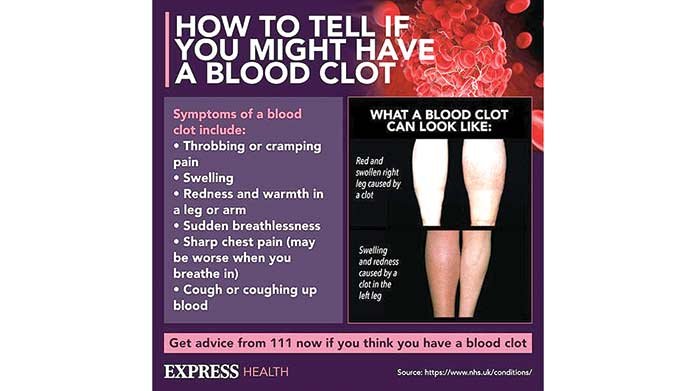
Some people may have a blood clot without noticeable symptoms. But if you do have symptoms, they may depend on where in your body the blood clot is located, whether the arm/leg, lungs, heart, or brain.
What is a blood clot?
A blood clot is a clump of blood that’s changed from a liquid to a gel-like or semisolid state. Clotting is a necessary process that can prevent you from losing too much blood when you have a cut, for example.
When a clot forms inside one of your veins, it won’t always dissolve on its own. This can be a very dangerous and even life-threatening situation.
An immobile blood clot generally won’t harm you, but there’s a chance that it could move and become dangerous. If a blood clot breaks free and travels through your veins to your heart and lungs, it can get stuck and prevent blood flow. This is a medical emergency.
Blood clot symptoms
It’s possible to have a blood clot with no apparent symptoms. When symptoms do appear, some of them are the same as the symptoms of other conditions.
There’s no way to know whether you have a blood clot without medical guidance. If you know the most common symptoms and risk factors, you can give yourself the best shot at knowing when to seek an expert option.
Symptoms of a blood clot in the heart (heart attack)
Blood clots can happen anywhere in the body and cause severe problems. But when they occur in the heart, the clots can cut off critical blood flow and result in a heart attack.
The heart is a less common location for a blood clot, but it can still happen. A blood clot in the heart could cause symptoms like:
• chest pain
• lightheadedness
• shortness of breath
• pain in the arm, neck, back, or jaw
• sweating
• nausea or heartburn
• racing heart
When clots develop in the heart itself, it’s called coronary artery thrombosis. These clots usually occur when fatty tissues that form in the heart’s arteries break off and block blood flow to the cardiac tissues. When this blood flow is stopped, the heart tissues can’t get oxygen and other nutrients.
Symptoms of a blood clot in the brain (stroke)
A blood clot in the brain is also known as a stroke.
These blood clots can develop anywhere in the body, or directly in the brain. When this happens, blood can not bring oxygen to your brain, resulting in hypoxia. Brain tissue can’t survive without a constant supply of oxygen, and hypoxia can cause severe symptoms and even death.
A blood clot in your brain will cause all the symptoms of a stroke, like:
• paralysis
• numbness or weakness in the arm, face, and leg, especially on one side of the body
• trouble speaking or understanding others
• slurred speech
• confusion, disorientation, or lack of responsiveness
• sudden behavioral changes, especially increased agitation
• vision problems, like trouble seeing in one or both eyes with vision blackened or blurred, or double vision
• trouble walking
• loss of balance or coordination
• dizziness
• severe, sudden headache with an unknown cause
• seizures
• nausea or vomiting
If these symptoms appear and disappear suddenly, you should still seek emergency care. Stroke symptoms that come and go can be a sign of a transient ischemic attack, or ministroke. These are also usually caused by blood clots, but the clots resolve or don’t entirely block the flow of blood to your brain.
Symptoms of a blood clot in the lungs (pulmonary embolism)
A blood clot that travels to your lungs is called a pulmonary embolism (PE). Symptoms that could be a sign of a PE are:
• sudden shortness of breath that isn’t caused by exercise
• chest pain
• palpitations, or rapid heart rate
• breathing problems
• coughing up blood
Blood clot types
Your circulatory system is made up of blood vessels called veins and arteries, which transport blood throughout your body. Blood clots can form in veins or arteries.
Arterial clot
When a blood clot occurs in an artery, it’s called an arterial embolism. This type of clot causes symptoms immediately and requires emergency treatment. The symptoms of an arterial clot include:
• a cold feeling in the affected area
• decreased or no pulse in your arm or leg
• paralysis or lack of movement in the affected area
• pain
• a pale color in the arm or leg
• weakness
• blisters on the skin around the affected artery
• shedding of the skin
• skin erosions or ulcers
• discoloration or damage (necrosis) of the skin around the affected artery
Venous clot
A blood clot that occurs in a vein is called a venous embolism. These types of clots may build up more slowly over time, but they can still be life-threatening. Symptoms of a venous blood clot include:
• swelling
• pain or tenderness
• increased warmth
• cramps or aching
• red or discolored skin
The most serious type of venous clot is DVT. With DVT, a clot forms in one of the major veins deep inside your body. It’s most common for this to happen in one of your legs, but it can also happen in your:
• arms
• pelvis
• lungs
• brain
The Centers for Disease Control and Prevention (CDC)Trusted Source estimates that DVT, together with pulmonary embolism (a type of venous clot affecting the lungs), affects up to 900,000 Americans each year. These types of blood clots kill approximately 100,000 Americans annually.
What causes blood clots?
Several things can cause blood clots, and the cause usually depends on what type of clot it is.
When blood clots develop in your arteries, they’re usually caused by bits of plaques — made up of fat or mineral deposits — that break off and block blood flow.
Clots that form in the veins have a wider variety of causes, like:
• a disease or injury to the area where the clot forms
• immobility or lack of movement
• a broken bone
• inherited or genetic disorders that affect how your blood clots
• obesity
• autoimmune disorders
• certain medications, like birth control or hormone therapy.
RELATED POSTS
View all


Disha Patani explores Mumbai streets with K-popper Jackson Wang
January 31, 2023 | by admin


Toxic chemical in plastics, dyes driving cancers in women: Study
September 19, 2023 | by